06Fluid and sodium
On a seven-hour day in the heat, drinking too much plain water is as dangerous as drinking too little. Over-drinking dilutes the sodium in your blood — hyponatraemia — and it affects the slowest runners most, because they are out longest and sweat least. Its early signs (headache, nausea, bloating, swollen fingers, confusion) look like dehydration, so people treat it with more water and make it worse.
Drink to thirst, not to a schedule. There is aid every 2.5 km: take what you need, not every cup. Alternate water with an electrolyte drink, and eat something salty. Use salt tablets only if you have used them in training. Before you travel, weigh yourself before and after a long run in warm weather to learn how much you really sweat — most people drink more than they lose. If you feel sick or confused, or your hands are swelling, tell the next marshal or medic, and stop drinking plain water until they have seen you.
07Anti-inflammatories
Do not take anti-inflammatory painkillers (NSAIDs: ibuprofen, naproxen, diclofenac, aspirin) in the twenty-four hours before a start or during a race. During a marathon they raise the risk of acute kidney injury and rhabdomyolysis, and the risk climbs with heat, dehydration and repetition: seven races in twelve days is exactly the situation they are not made for. If you take any of them on prescription, do not stop on your own — talk to your doctor before you travel.
If something hurts, see the race doctor rather than self-medicating across seven consecutive races. The doctor and the two physiotherapists are with the group throughout, and the answer may be ice, strapping, a slower day or a different medicine, chosen by someone who knows what you have already taken.
08Food, water and medication across eight countries
Traveller’s diarrhoea is the most likely reason a runner does not finish this journey — more likely than injury. In Egypt, Jordan, India and Mexico, drink sealed bottled water, including to brush your teeth; no ice unless it is made from bottled water; nothing raw, unpeeled or from a street stall; hot food served hot. Wash your hands or use gel before every meal. Group meals are chosen with this in mind; the bigger risk is what you eat on your own.
See a travel clinic at least eight weeks before departure. Routine boosters (tetanus, diphtheria, polio, measles) plus hepatitis A and typhoid are usually advised for this route; the clinic will decide on anything else from your own history.
Carry prescription medicines in their original packaging, with a doctor’s letter listing the generic names, in your hand luggage, and bring enough for the journey plus a week. Several countries on the route restrict codeine-based painkillers and some other controlled medicines, so check the rules of all eight countries before you travel, and tell us at registration about anything you take regularly.
09Time zones and sleep
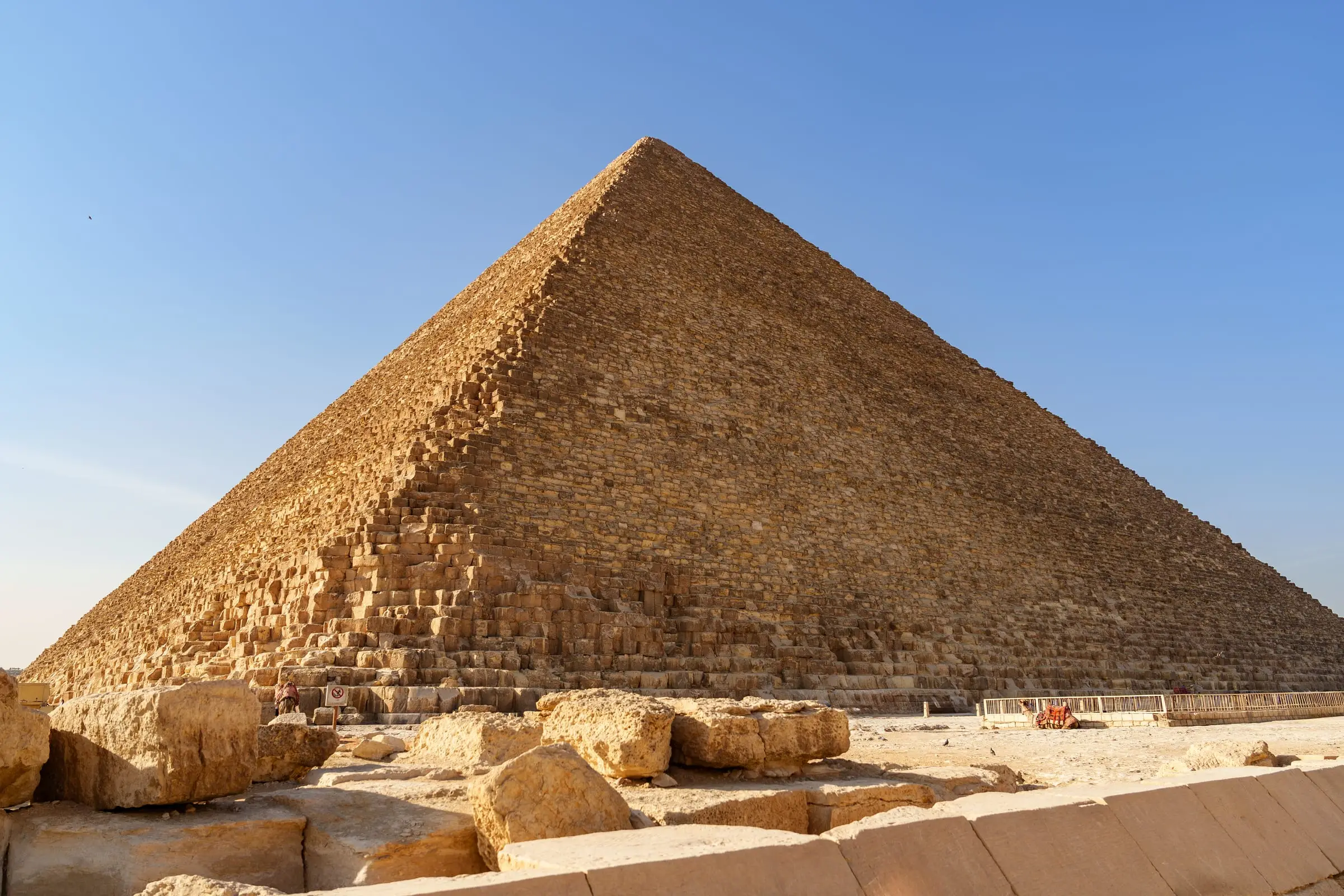
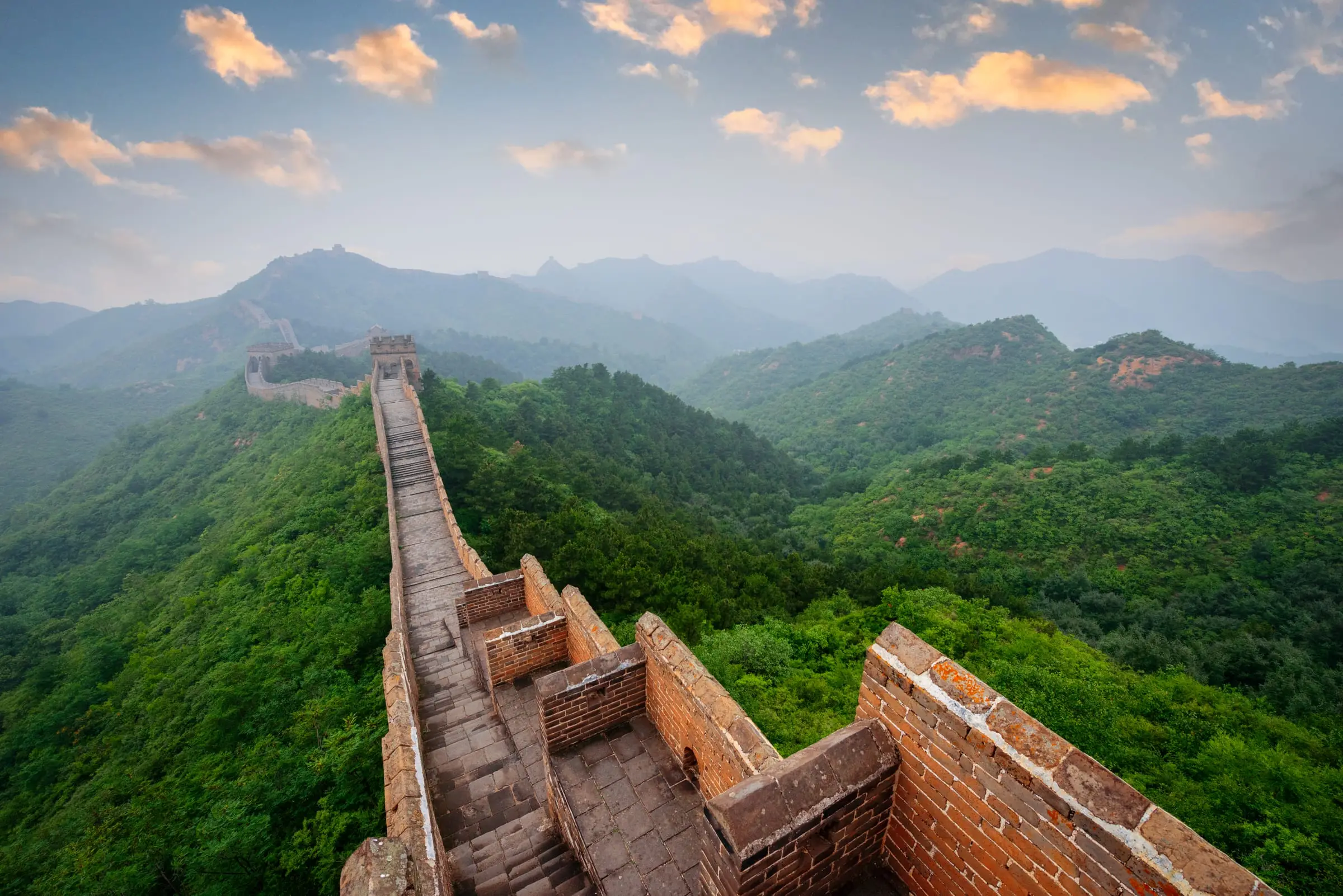
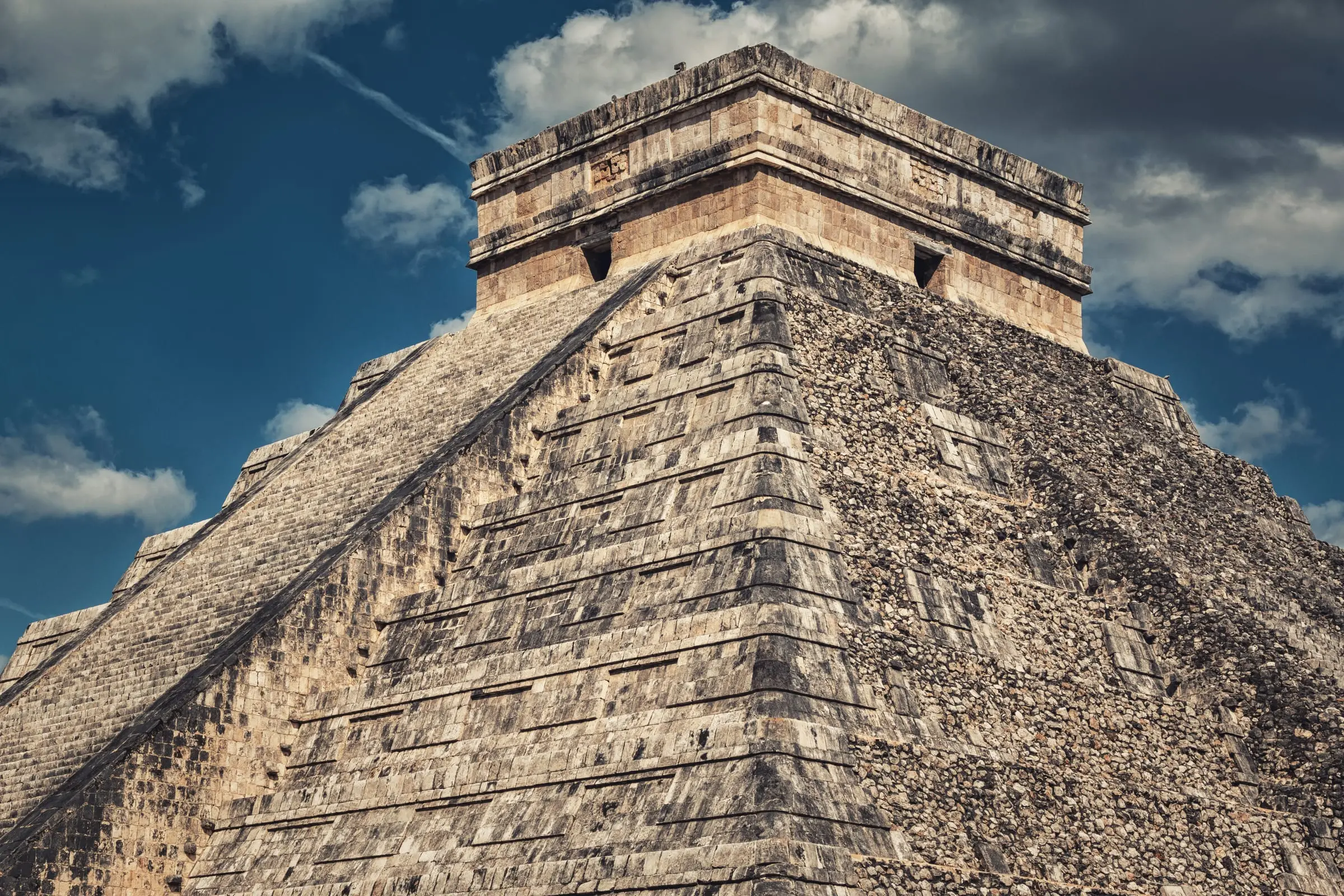
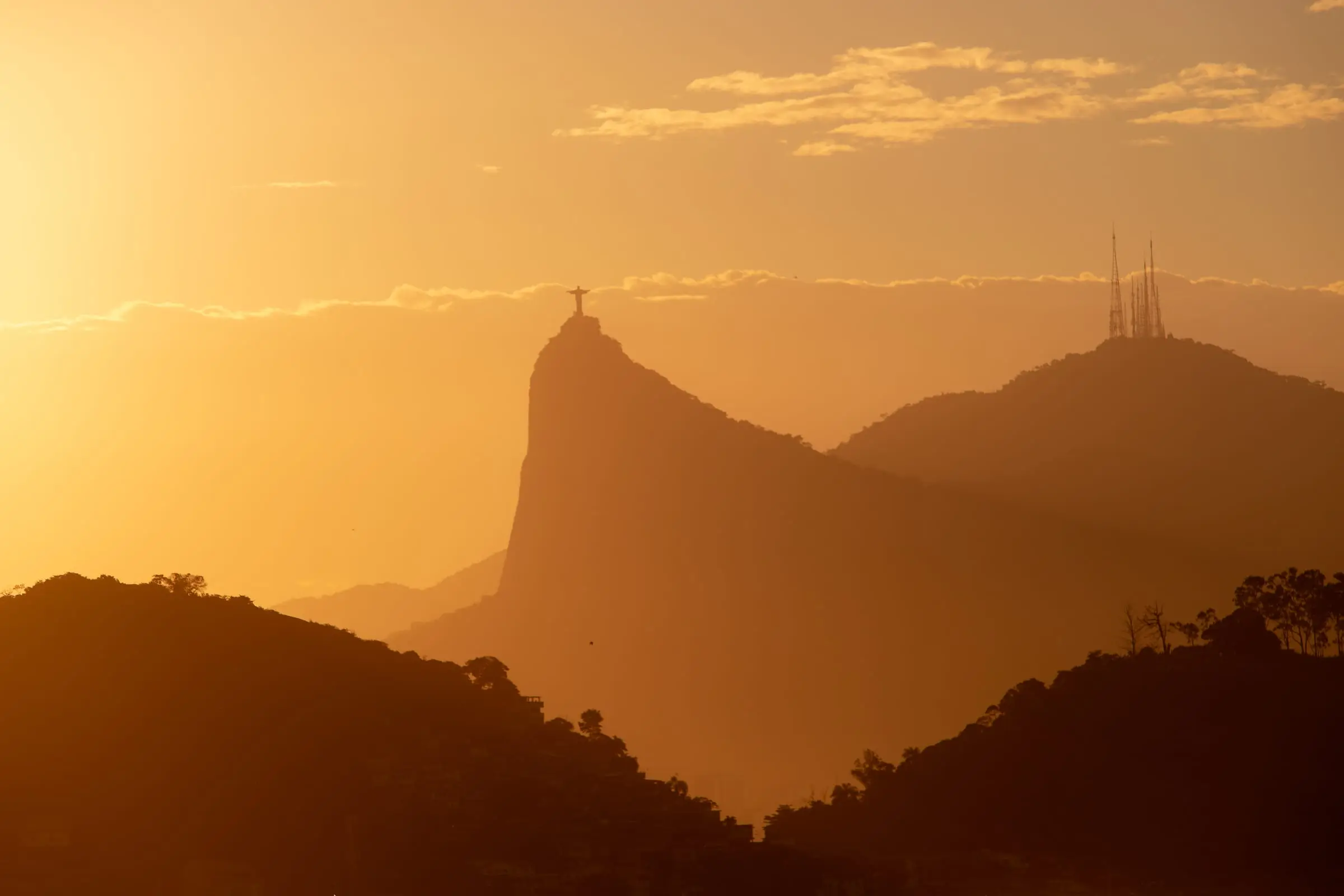
The journey runs east the whole way: Rome, Cairo, Petra, Agra and Beijing, then across the date line to Anchorage, and east again to Yucatán and Rio. Every leg asks your body to go to bed earlier than it wants to, and the shifts add up to close to a full day over the two weeks. East is the harder direction, but each step is small enough to manage if you protect your sleep: daylight in the morning, breakfast on local time, no caffeine after midday, naps under thirty minutes.
| Leg | Body clock |
|---|
| Rome → Cairo | +1 h |
|---|
| Cairo → Petra | +1 h |
|---|
| Petra → Agra | +2.5 h |
|---|
| Agra → Beijing | +2.5 h |
|---|
| Beijing → Anchorage | +8 hclock back 16 h |
|---|
| Anchorage → Yucatán | +2 h |
|---|
| Yucatán → Rio | +3 h |
|---|
The Anchorage afternoon is the one real recovery window of the journey: you land at 14:35, the same day as the Great Wall, and fly on at 07:00 the next morning. Use it. Get outside in daylight for an hour, walking, not running. Eat a proper meal early. No alcohol, and no nap on arrival. Be in bed by 21:00 behind the blackout curtains. The sleep you bank there is what you run Chichén Itzá and Rio on.