
Night1
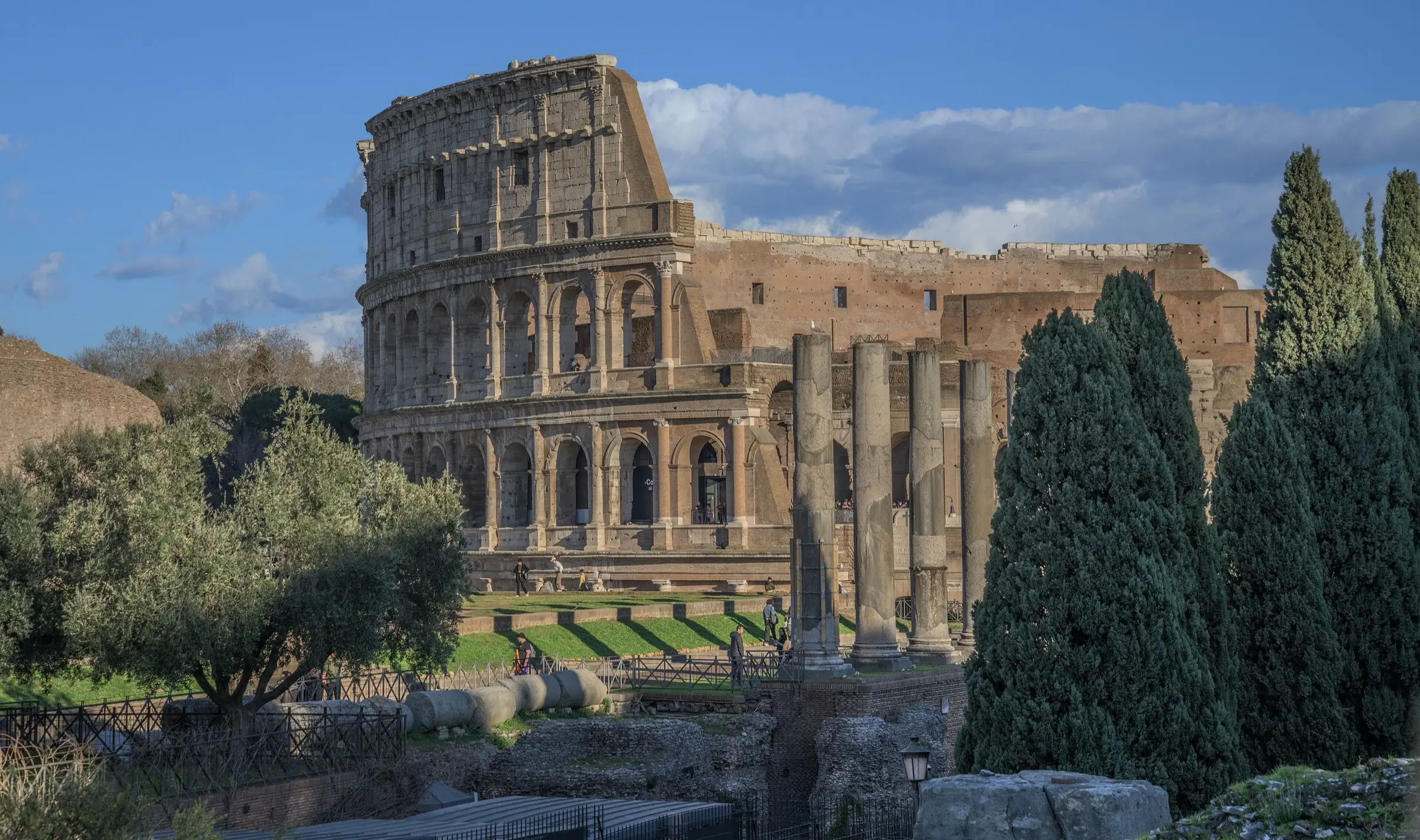
Rome
Central, five-star, walking distance to dinner, a straightforward run out to the Appia start.
Four- and five-star hotels, with a room of your own for every runner, chosen for one thing above all: how close they are to the next start line. Thirteen nights, ten cities, and never an early-morning transfer longer than forty minutes. These are the planned stays; the final hotel list is issued ninety days before departure.
Central, five-star, walking distance to dinner, a straightforward run out to the Appia start.
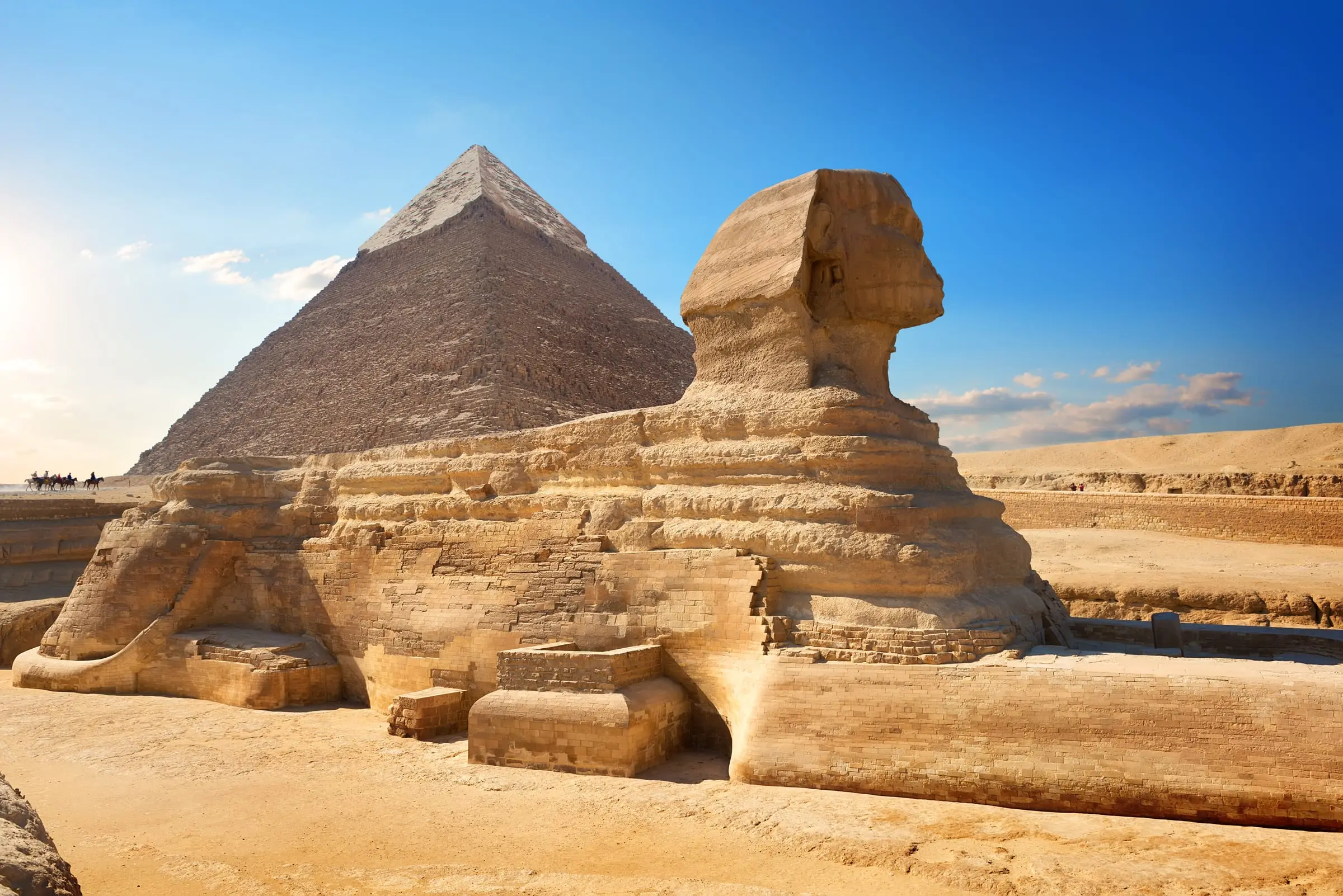
On the Giza side, at the foot of the plateau. You walk from the finish line to your own shower — this is what makes the pyramid afternoon work.
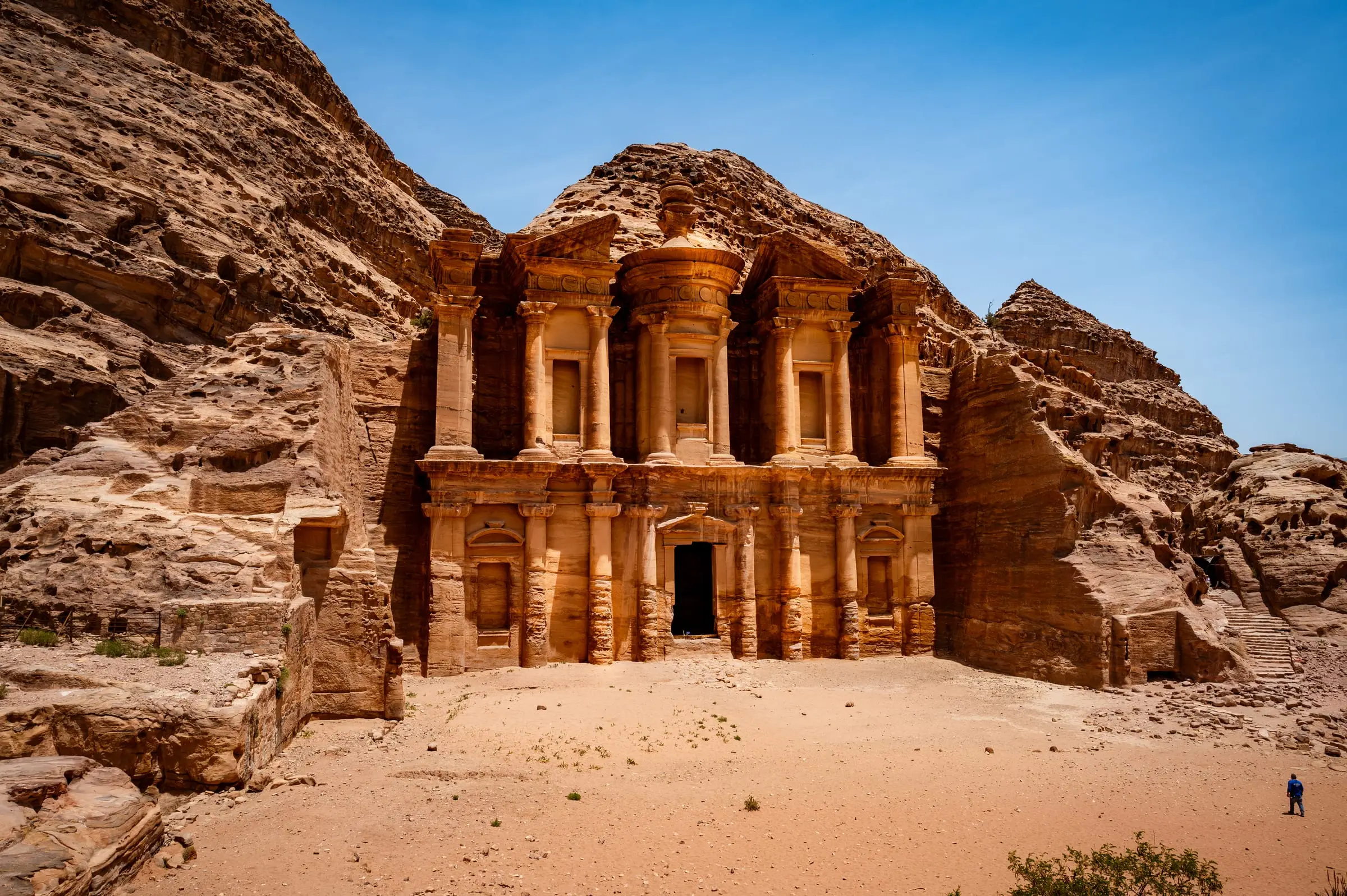
At the gate of the site, two nights in the same bed. The first place on the route where you unpack.
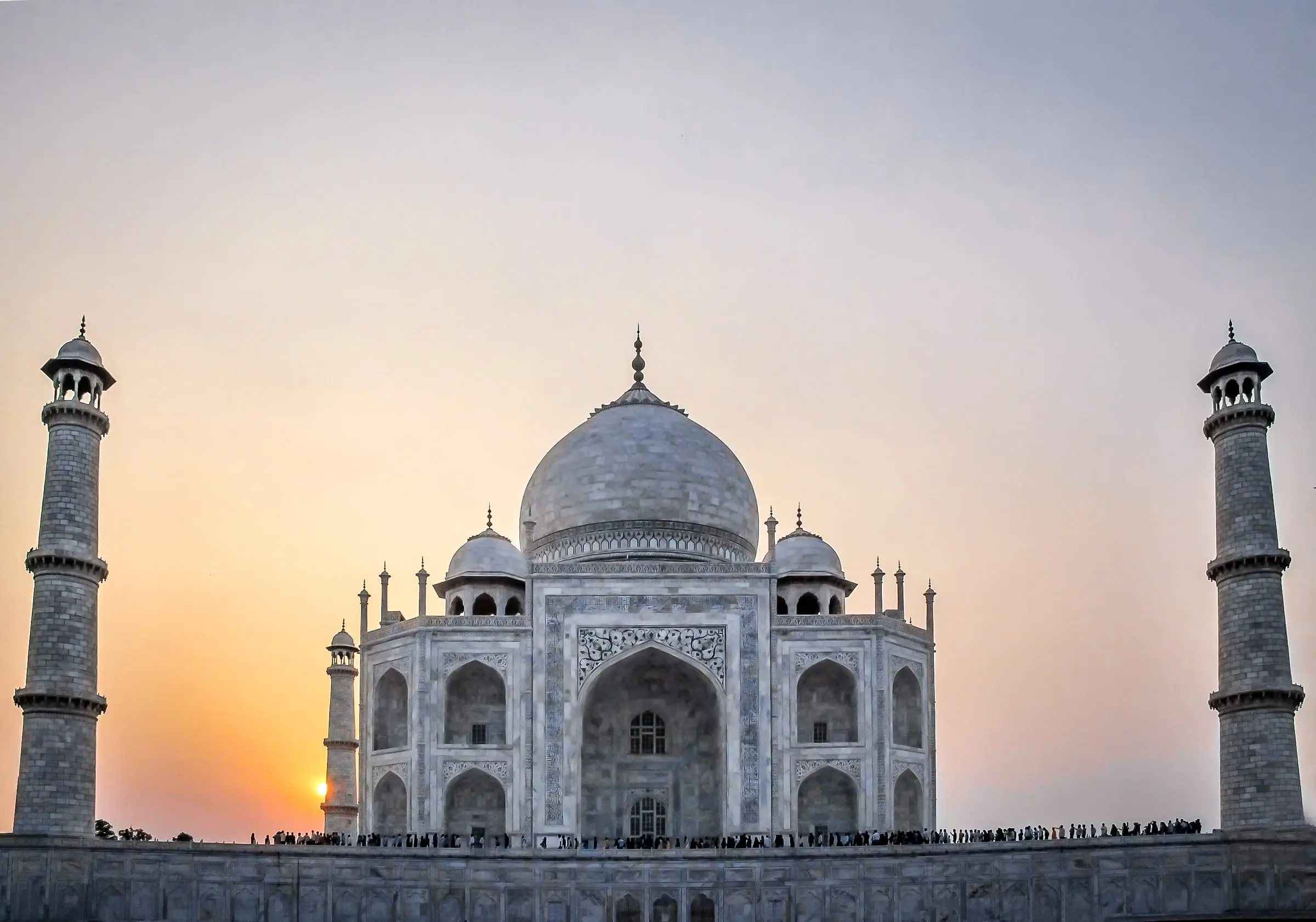
Within walking distance of the Taj east gate — what makes the afternoon visit possible.
Airport hotel, arrived at in the evening and left in the morning.
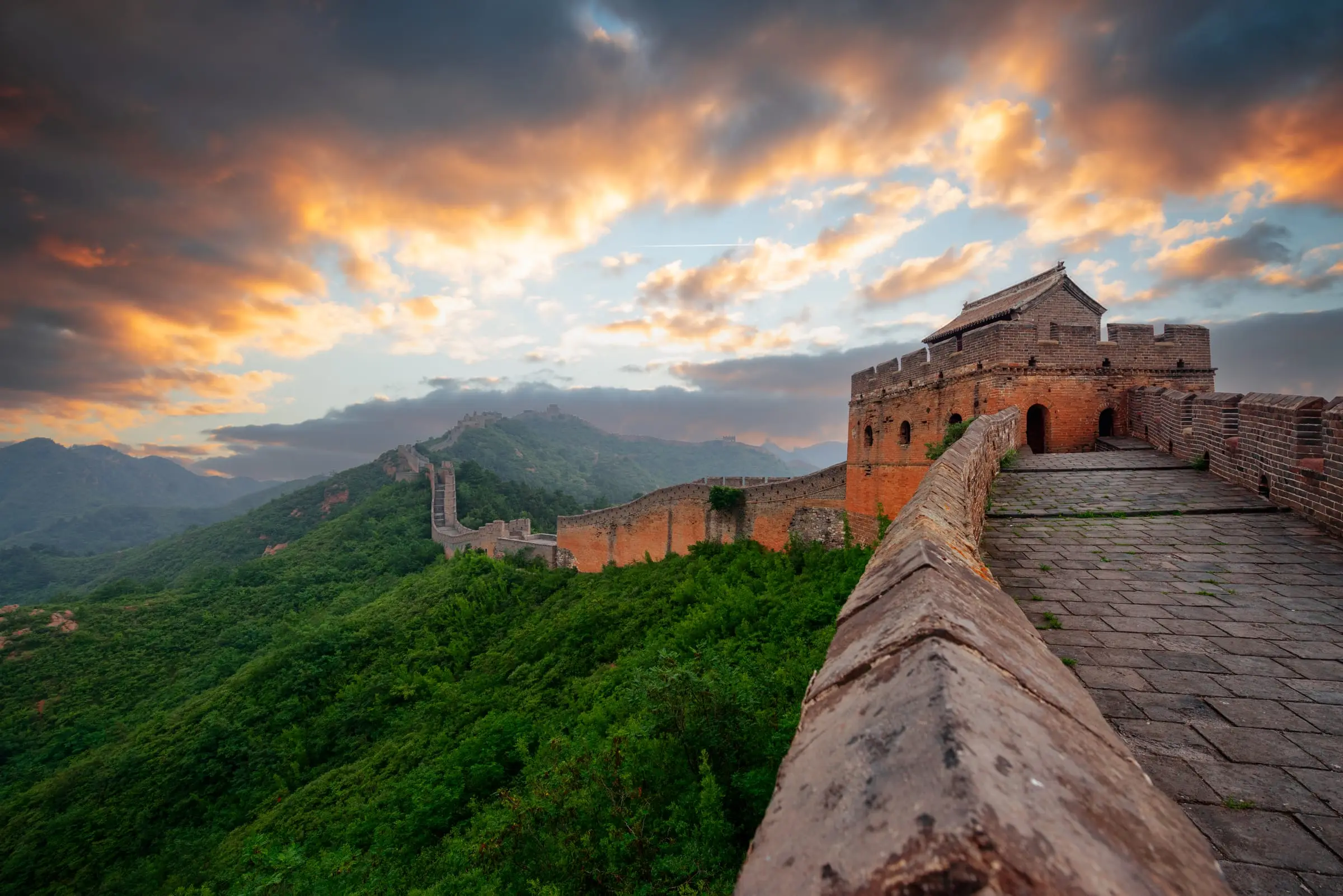
A resort in the hills below the Wall, so nobody drives at dawn on the hardest morning.
Downtown, with a free afternoon. Blackout curtains matter here.
A colonial hacienda in Valladolid, close to the start. The course finishes at Chichén Itzá, about forty-five minutes away by road.
One night by the airport before the flight south.
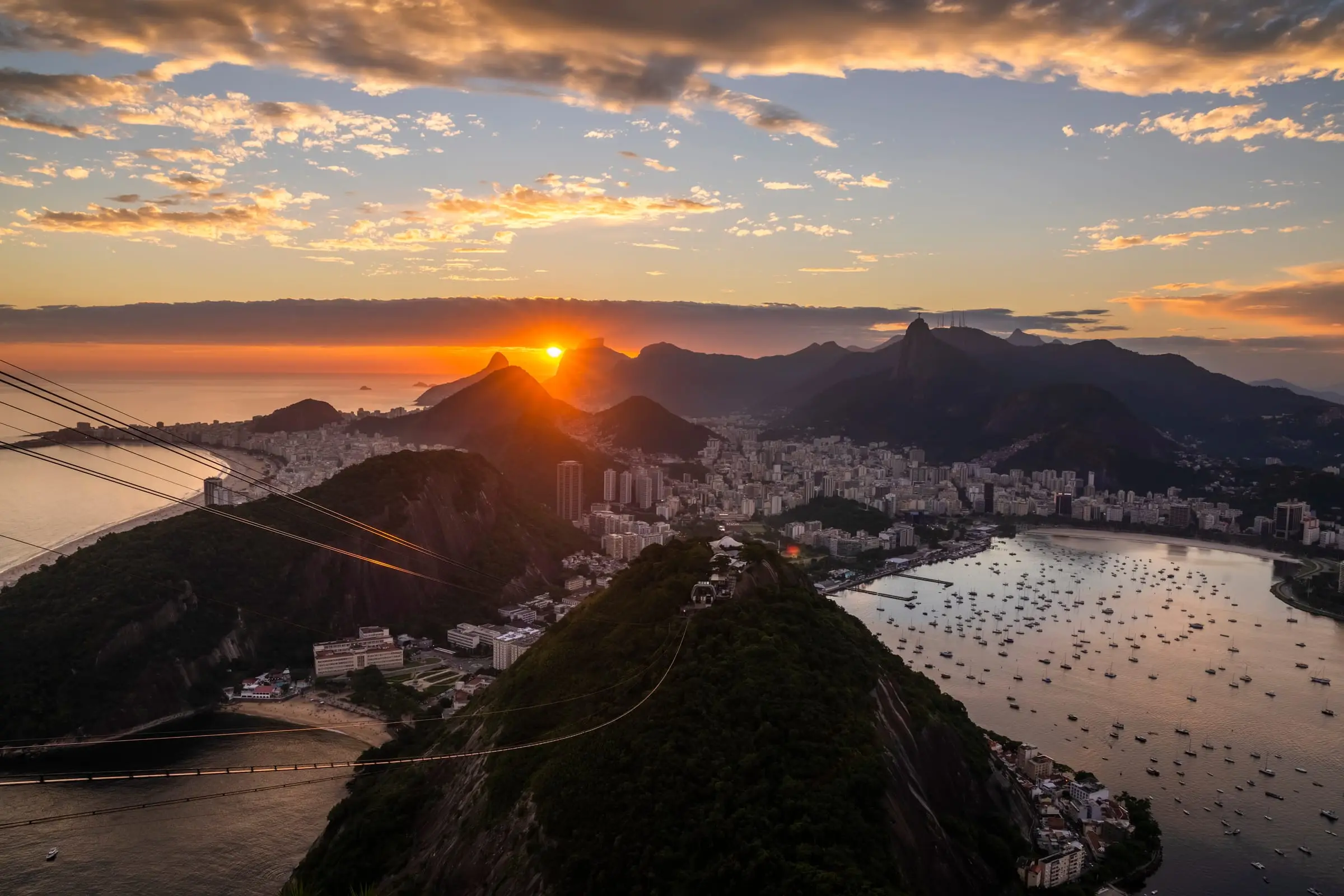
Copacabana or Flamengo, on the finish-line side of the bay.
A runner pays US$59,000 with a room of their own, or US$54,000 each when two runners share a twin room. A companion shares their runner’s room and pays US$45,000; companions cannot book without a runner.
Sixty runner places and fifteen companion places, allocated in order of deposit. Finishers of any RUNBUK event may reserve before general registration opens.